
If you scroll through r/languagelearning, you'll see learners obsessing over numbers. "I have 5,000 cards in Anki, is that enough?" or "Native speakers know 30,000 words, I'll never catch up!"
This is what we call the Vocabulary Treadmill. You're running as fast as you can, memorizing random lists of words, but you aren't actually getting anywhere.
The truth? You don't need to know every word in the dictionary. You just need to know the right words for your life.
1. The Magic Number: 2,000 (and the Science of Zipf's Law)
Quick question: how many words do you think you need to know to understand most of what you read and hear in English? 50,000? 20,000?
Try 2,000.
This isn't just a guess; it's math. Linguists refer to this as Zipf's Law. In any language, a small handful of words are used thousands of times, while the vast majority of words are rarely used at all.
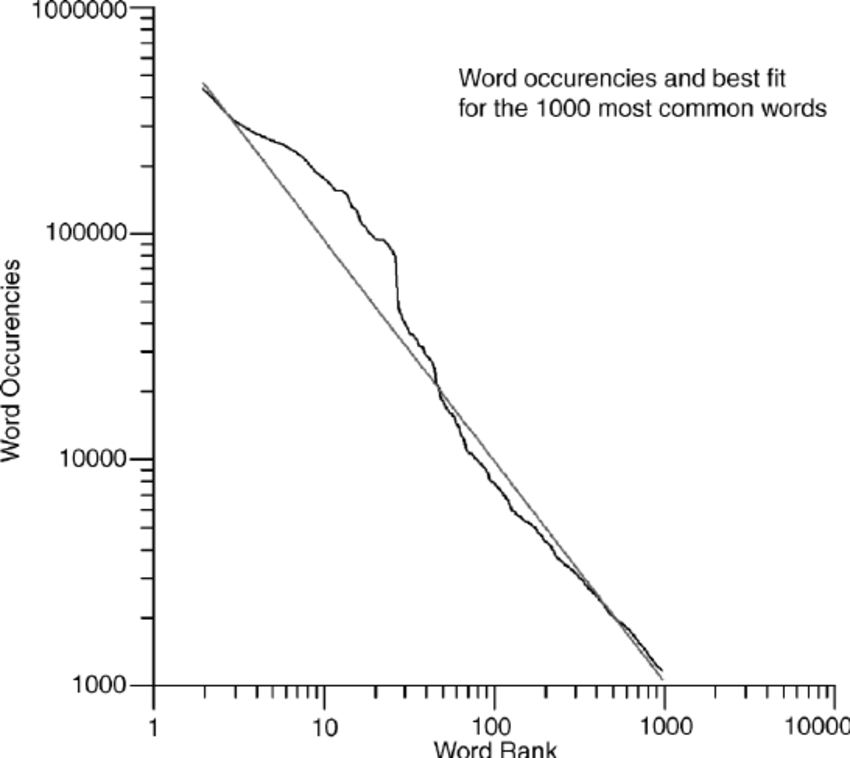
Seriously. Research shows that the 2,000 most high-frequency English words give you about 80% coverage of everyday texts. Add the Academic Word List (another 570 word families), and you're looking at nearly 90% coverage of most academic texts.
Throw in some proper nouns and technical vocabulary related to your field, and you hit that magic 95% threshold - the point where you can actually understand what you're reading without constantly stopping to look things up.
2. Stop Learning "Everything"
The mistake most language learners make is trying to learn everything.
- That random word from a sci-fi novel.
- Technical jargon from a documentary they'll never watch again.
- Fancy literary terms that sound impressive but they'll never actually use.
It's exhausting, and worse - it's inefficient. After you've got your high-frequency vocabulary down, the smartest move isn't to scatter your energy across random low-frequency words. It's to focus on academic vocabulary if you're studying or working in professional environments.
Words like demonstrate, assess, framework, and comprehensive aren't fancy, but they are everywhere in reports, presentations, and business communications.

3. Visualize Your Progress with the WordBuddy.ai Dictionary
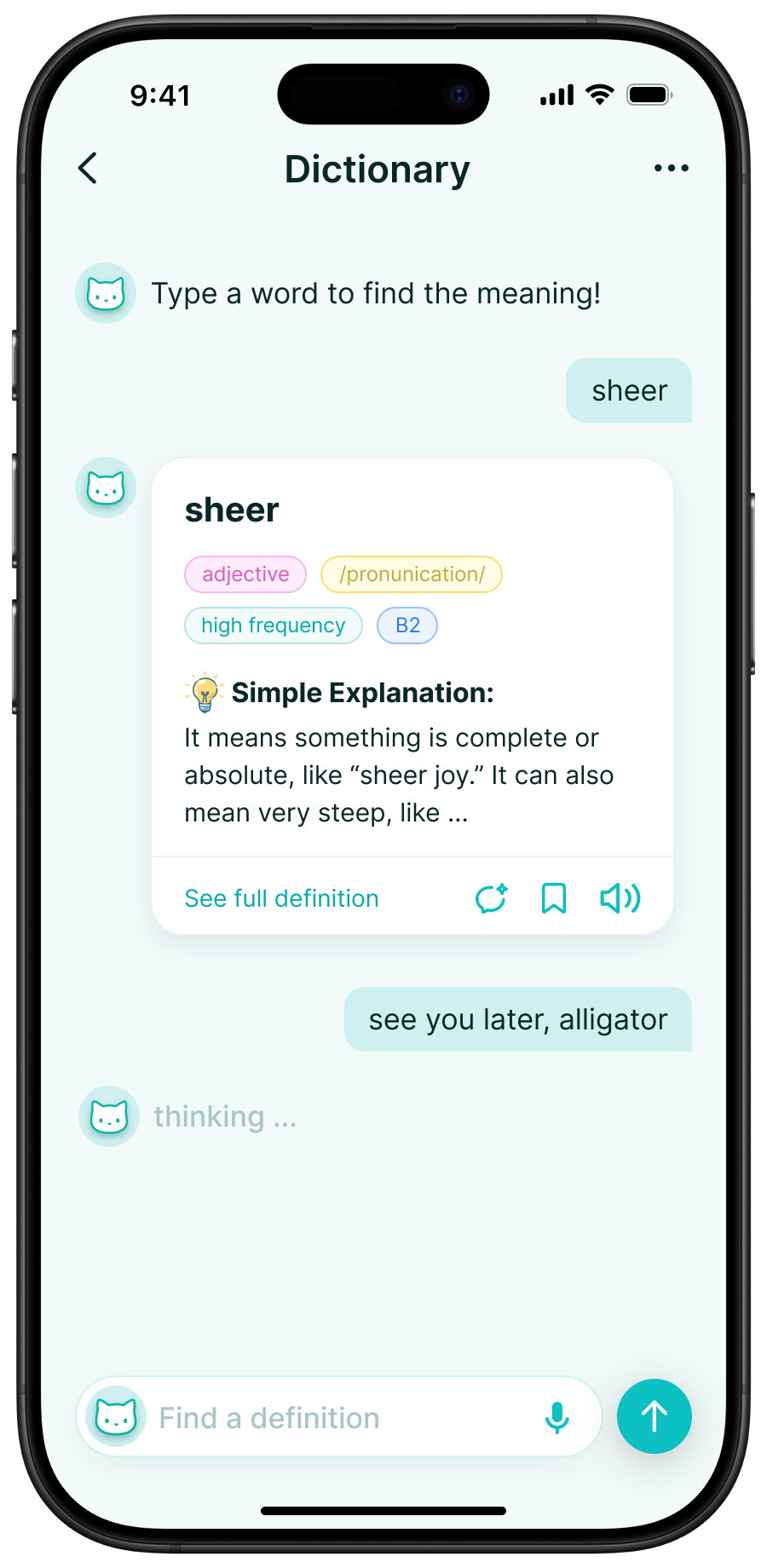
This is why we built Word Frequency Data directly into the WordBuddy.ai Dictionary.
Now, when you look up a word, you don't just see the definition. You see exactly where that word fits in the grand scheme of the English language.
- Is it a high-frequency word you'll use every day?
- Is it an academic word essential for your career?
- Or is it a low-frequency word that you can safely ignore for now?
The WordBuddy.ai Advantage: We stop the guessing game. By seeing the frequency of a word the moment you look it up, you can decide instantly if it's worth adding to your Custom Vocabulary Library. This ensures your limited study time is spent only on the words that move the needle toward fluency.
🚀 Step Off the Treadmill
Stop being a "word collector" and start being a "word user." Focus on the 2,000 words that build your foundation, the academic words that build your career, and the specialized words that build your life.
Sign up by March 3rd, 2026, to lock in Free Lifetime Access to our community and start using the WordBuddy.ai Dictionary to master the words that actually matter.
Start Mastering the Right Words with WordBuddy.ai