
If you've ever seen a post on r/EnglishLearning titled "Do I sound natural?", you know the struggle. Many advanced learners have perfect grammar and high IELTS scores, yet they feel like they're speaking like a 19th-century professor.
The problem? Most study methods teach you English through logic and rules, but native speakers speak through rhythm and collocations (words that naturally live together).
If you want to stop sounding like a robot and start sounding like a human, you have to change how you "collect" your English. Here is the WordBuddy.ai approach to sounding natural.
| Situation | Textbook English (Formal/Strict) | Native English (Natural/Casual) |
|---|---|---|
| Greeting | Hello, how are you? | What's up? / How's it going? |
| Agreement | Yes, I agree with you. | Totally. / For sure. / I'm with you. |
| Uncertainty | I do not know. | I have no idea. / Dunno. |
| Wants | I would like to have a coffee. | I'm gonna grab a coffee. / I'd like a coffee. |
| Asking for help | Could you help me, please? | Give me a hand? / Could you lend a hand? |
Infographic comparing formal "textbook" English versus natural "native-like" collocations.
1. Escape the "Bilingual Dictionary" Trap
When you use a bilingual dictionary, you are essentially "copy-pasting" your native language's logic into English. This leads to sentences that are technically correct but socially weird.
For example, you might say "I have a big headache" because your native language uses "big." But a native speaker says "I have a splitting headache."
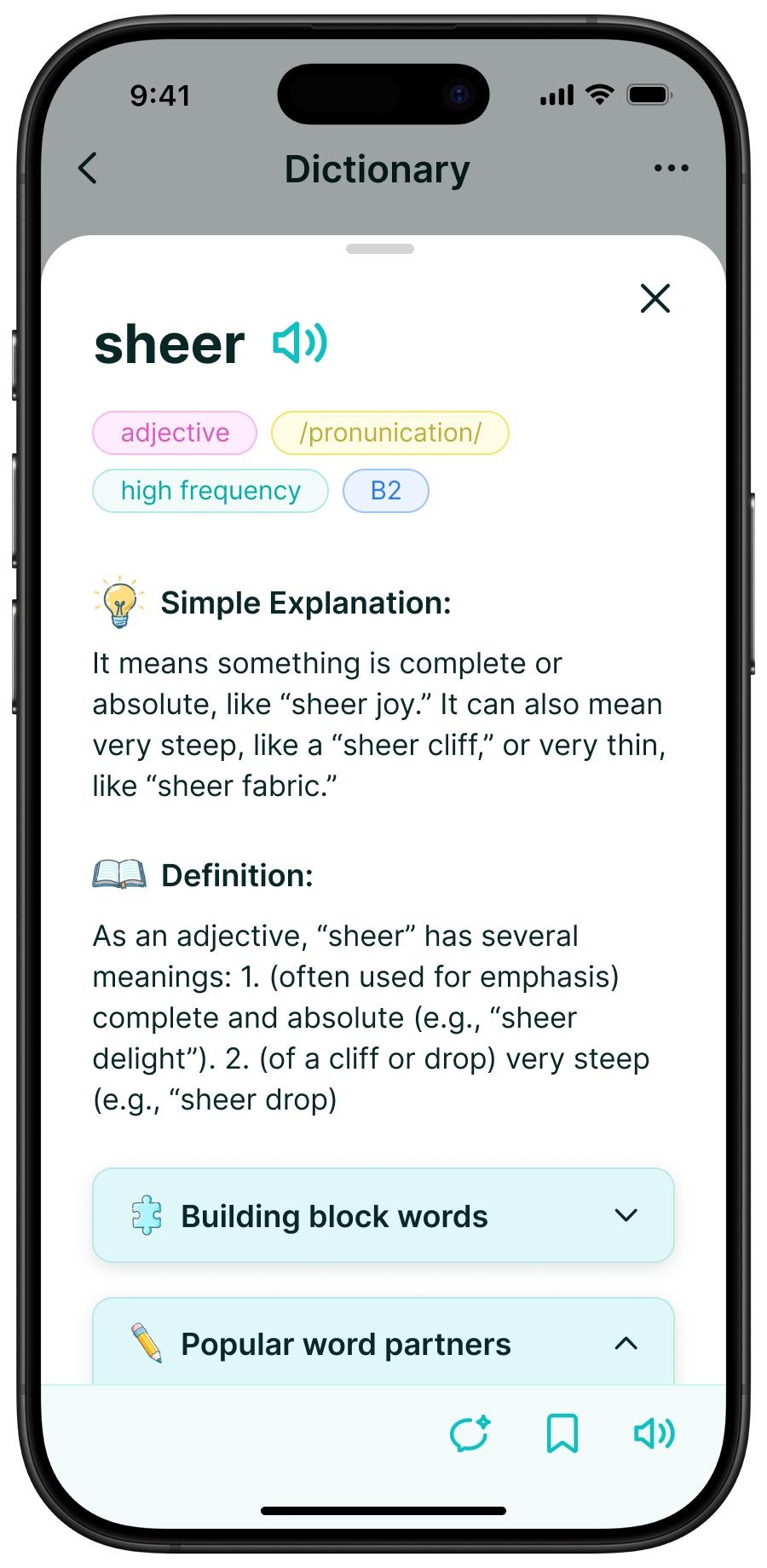
The WordBuddy.ai Advantage: Our WordBuddy.ai Dictionary is English-only. By reading simplified English definitions, you aren't just learning a word; you're learning the company it keeps. You start to see which words naturally "pair up," allowing you to absorb the rhythm of the language instead of just the rules.
2. Master "Collocations" Over Grammar
Native speakers don't think about grammar rules; they think in "chunks." Phrases like "make a mistake" (not do a mistake) or "deeply regret" are pre-set chunks in a native speaker's brain.
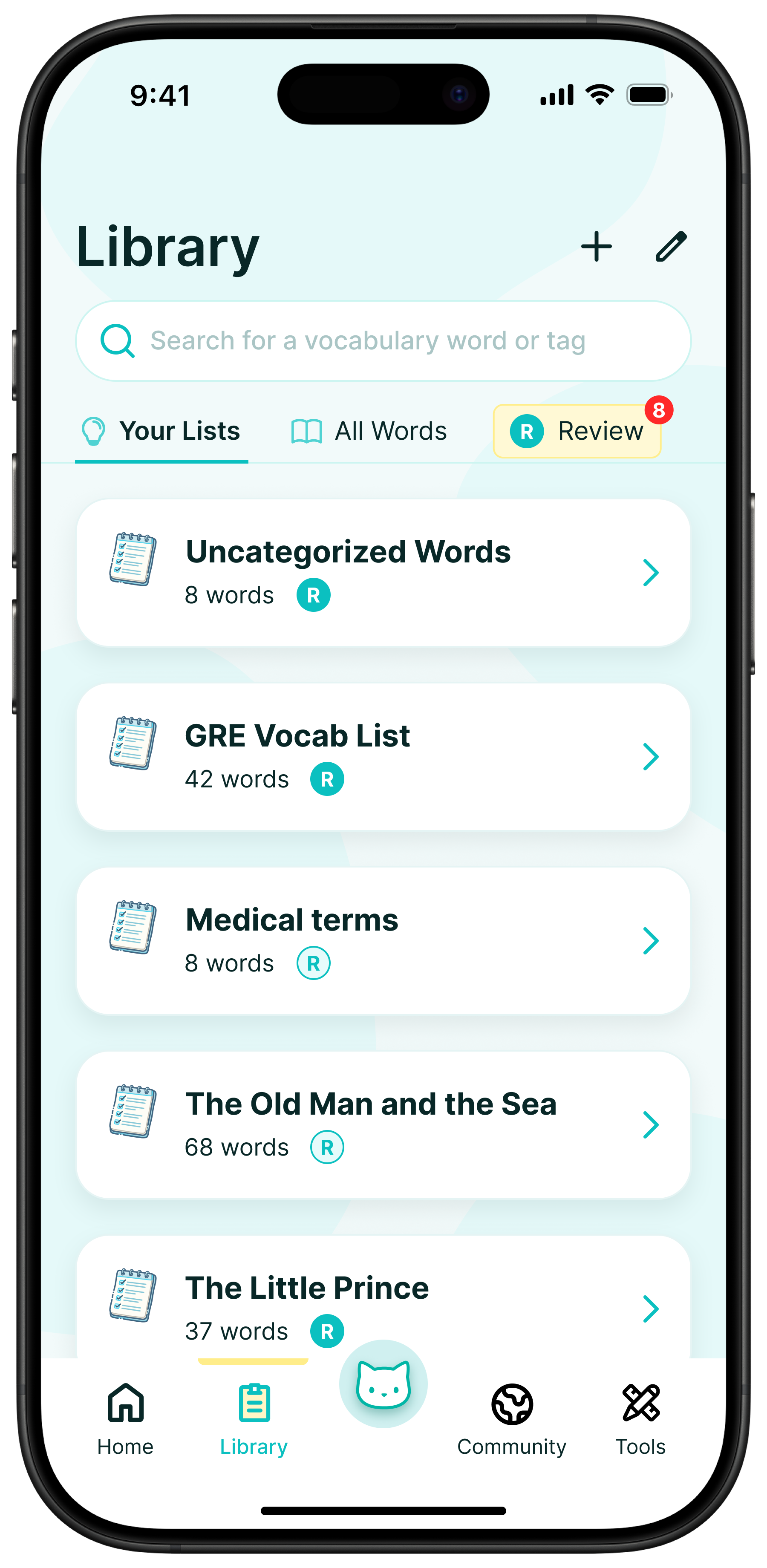
The WordBuddy.ai Advantage: This is where our Custom Vocabulary Library becomes your best friend. Instead of saving single words, we encourage you to save "chunks" directly from the videos or articles you enjoy. When you save the phrase "a ballpark figure" instead of just "figure," you are training your brain to speak in natural units.
3. Practice "Casual Reflexes" with the AI Tutor
The biggest reason learners sound like textbooks is that they spend too much time writing and not enough time responding. Writing allows you to be "perfect" and "formal." Speaking requires you to be "fast" and "fluid."
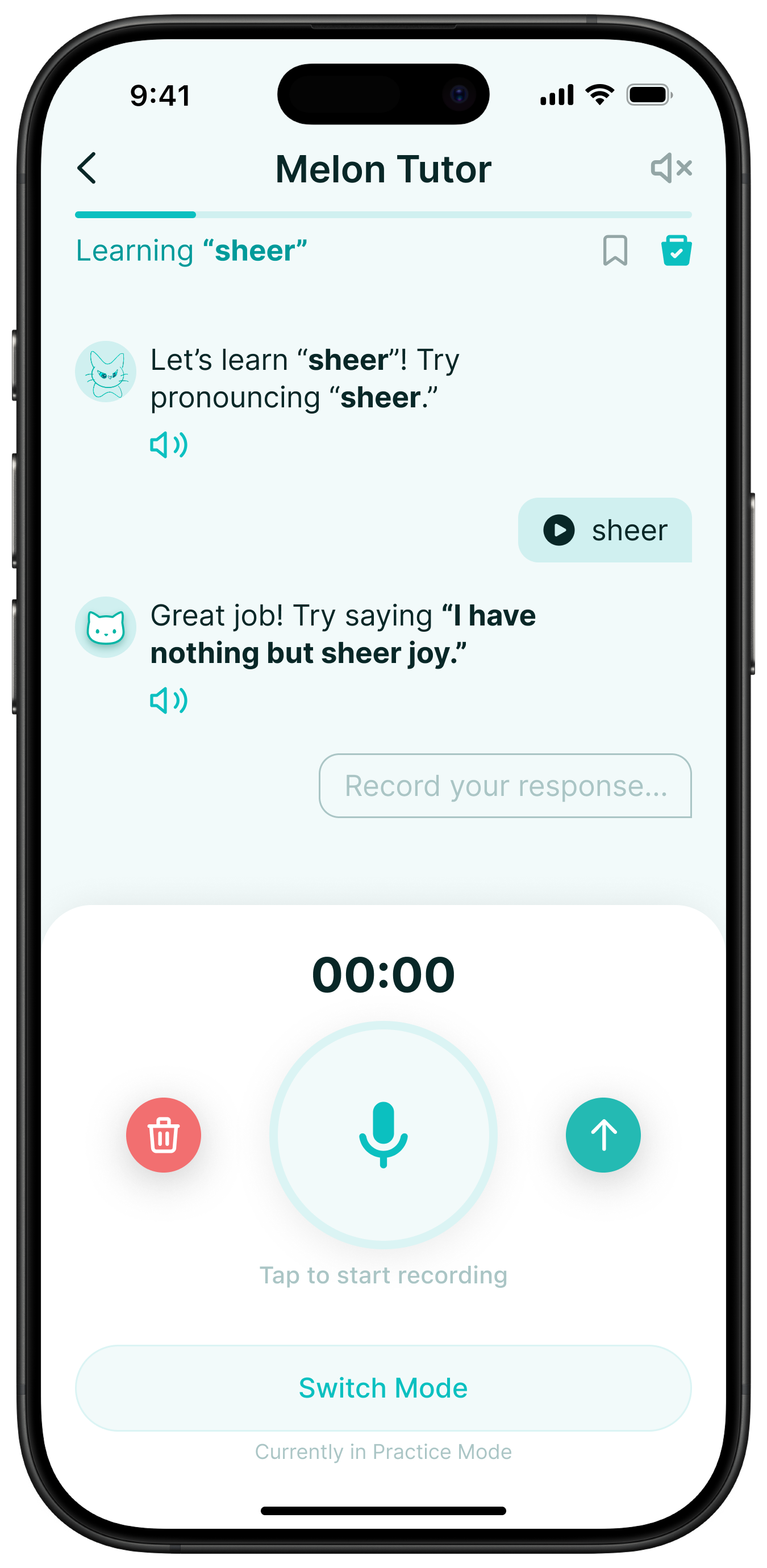
The WordBuddy.ai Advantage: Use the WordBuddy AI Tutor to practice "low-stakes conversation." Tell the AI: "Talk to me like a friend at a coffee shop." The AI will push you to use phrasal verbs and casual transitions. By the time you join a live session in the WordBuddy English Community, those "human" expressions will feel like second nature.
🚀 Speak Like Yourself, Not a Textbook
Fluency isn't about being perfect; it's about being connected. Don't hide behind formal grammar - find your own natural voice in English.
Sign up by March 3rd, 2026, to lock in Free Lifetime Access to our community. Start using the WordBuddy.ai Dictionary to learn English as it is actually spoken, not just as it is written.
Join the WordBuddy.ai Movement